AI transformation, where the work actually happens
Most companies have spent on AI and cannot point at what changed in the work.
We help you get the highest return on your AI investment, by starting where the work actually gets done.
An AI transformation partner for the CEOs and COOs deciding which work to redesign around AI first — and for the CFOs and CHROs who have to hold that decision with them.
Illustration — a function read task by task, each one scored for how much of it stays human.
Before we tell you anything
Why are you reading this?
Most of these are already true in your organization. Which one is loudest?
What has already been spent
- Tools bought, adoption flat.
- Pilots that never reached the P&L.
- A number for AI you cannot defend to your CFO.
- A roadmap from someone who has since left.
What is coming anyway
- Headcount plans built on work that is about to change.
- Roles you are hiring for that may not exist in two years.
- A board that wants to know what AI did.
- A competitor redesigning the same workflow.
If you recognise two or three of those, the next question is which workflow you redesign first — and that is answerable in two weeks.
The difficulty
AI transformation is one of the most important, and most difficult, jobs facing leaders right now.
Most organizations are trying to change the work with AI. But AI doesn't transform a business just because people have access to better tools.
Three things have to move together.
The work
Processes have to be redesigned around what AI can actually do.
The data
The information those new workflows depend on has to exist, connect and be trustworthy enough to act on.
The people
People need to understand what's changing, why it's changing, and how their work changes with it.
Transformation isn't just a technology problem. It is an organizational problem.
People are asking:
What does AI mean for my work?
What should I still do?
What changes about my role?
Does my role even exist?
What is leadership actually asking me to do?
And beneath all of that is a deeper question: can I trust where we're going?
Where we are different
We don't start with tools. We start with how the work actually gets done.
We read a function the way work is really produced — task by task, workflow by workflow — and we see four things.
The gold is the human share of the work. Illustration of the reading, not a client's numbers.
What you get
Then we turn that evidence into decisions.
- What changes first.
- What it's worth, in a range, with every assumption named.
- What needs to be in place before it can run.
- And what should wait.
Not a stack of analysis. A small set of resolved decisions, in the order a leader has to make them.
Four levels of evidence, resolved into four decisions in the order they have to be made.
Communication
Because we understand how the work is changing, we can help you say it clearly.
Not just what is changing. But why. What it means for people. What they can expect. What they need to learn. And where they can create more value.
We are not writing reassurance. We are telling people what the work actually becomes, from the same evidence the decisions rest on.
A roadmap handed over at the end of the analysis is not the product. The value is created months later, when the redesigned work is simply how the place operates.
Through delivery
We stay through delivery and adoption, so the redesigned work becomes the way the organization operates.
Four stages — diagnose, recommend, deploy, adopt — with one accountable party across all four. Most partners stop at the handover, and the handover is where value leaks.
How the engagement worksThe diagnosis is where you start. Staying through adoption is why it is worth starting with us.
The line does not stop at stage two, which is where a diagnostic engagement usually ends.
What this rests on
Four things you can check before you talk to us.
A published rubric
Every task-level score uses a written rubric with worked examples at each level. In a 164-task calibration study, independent raters agreed exactly on 89% of scores and within one level on 100%.
Samples you can read
Complete engagements built end to end with the same method we run with a client. Not a brochure — the actual readout, with the numbers and the assumptions behind them.
A named lineage
We productized an analytical tradition rather than inventing one. The Human Agency Scale is Stanford's. Task grounding is O*NET. Labour market calibration is Burning Glass. We say which parts are ours.
People who have done it
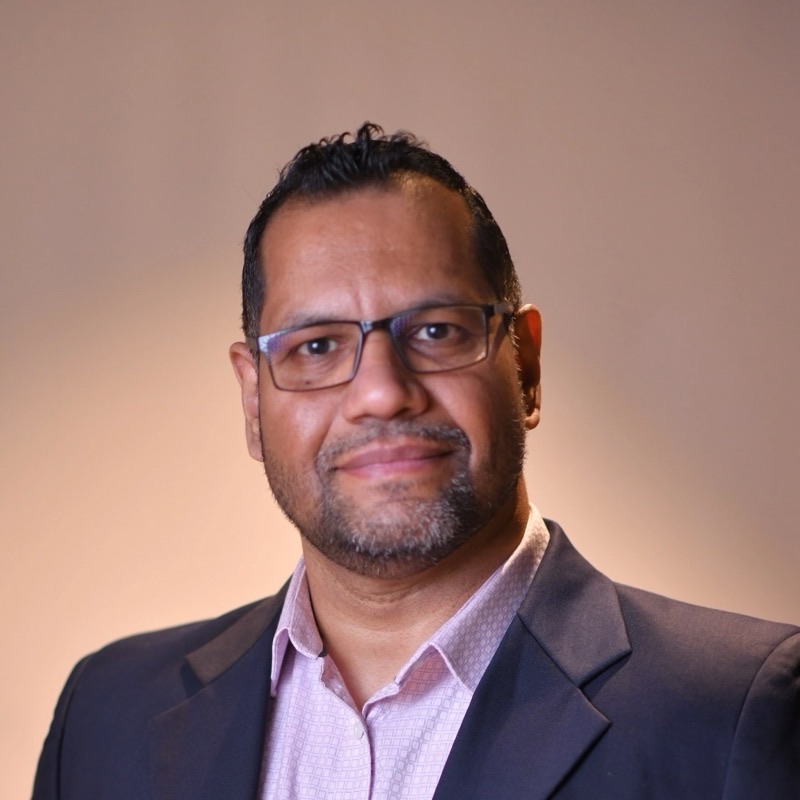
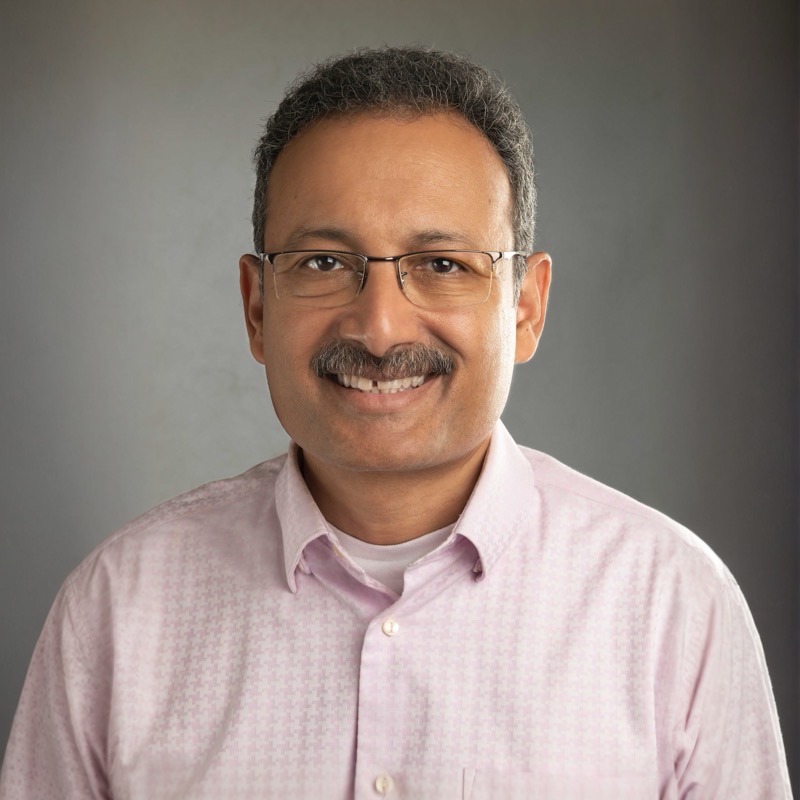
Four leaders who have built or scaled the disciplines this work runs on — enterprise AI product, transformation, people and change, experience design.
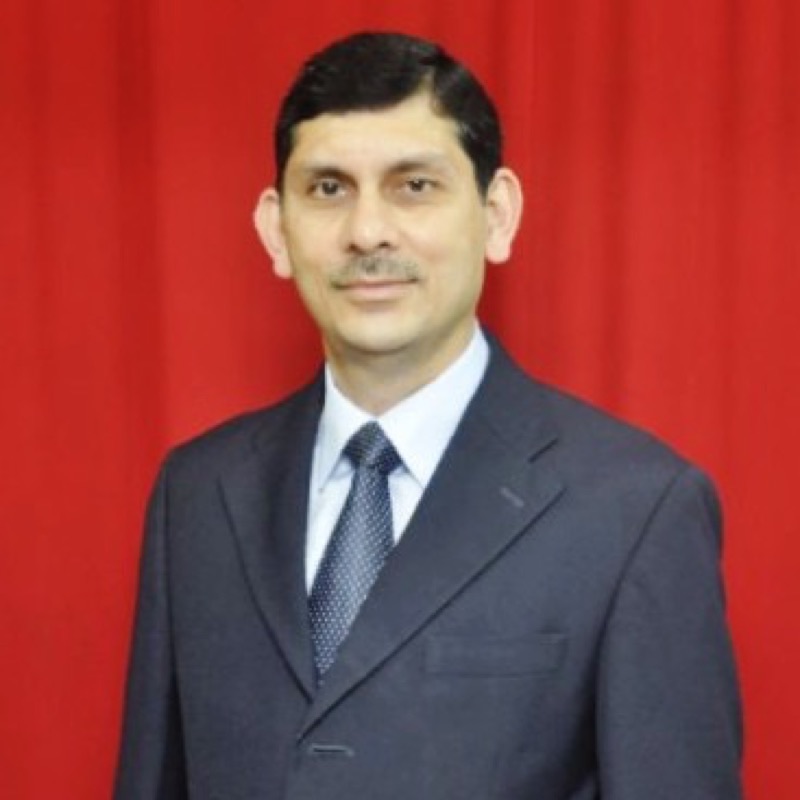
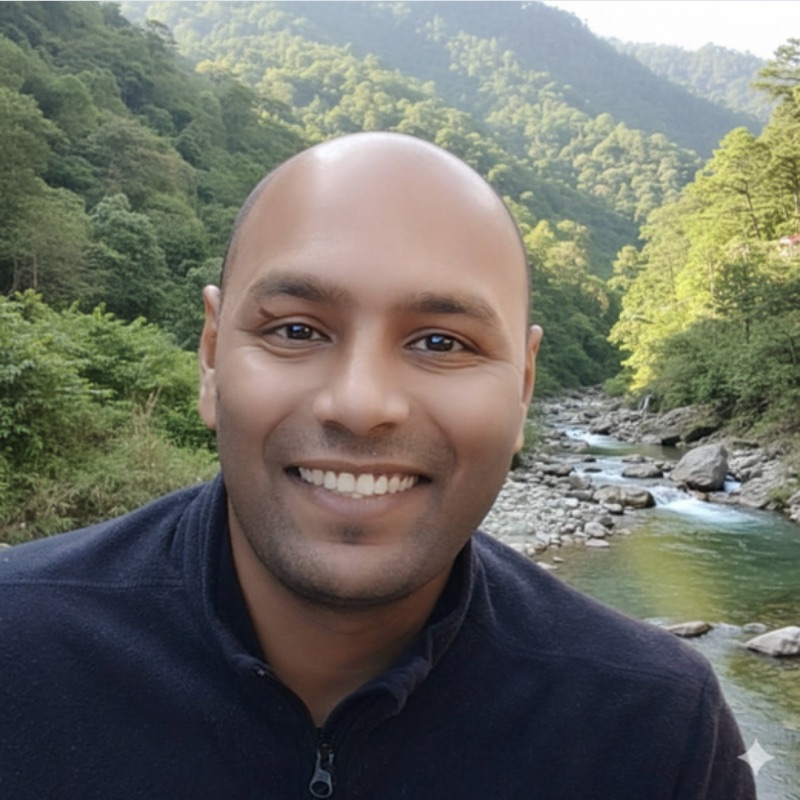 Meet them
Read before you talk to us
Three things you can check without a meeting.
The scoring rubric
The Human Agency Scale we score every task against, with what each level means, so you can check a score rather than take it.
Read the scale →02What the output looks like
A workflow read task by task, the hours, the value range with its assumptions named, and the resolved decisions in capital-allocation order.
See the output →03The working material
The sample readout, the blueprints and the scale, in the form we actually use them. Read what you like before you talk to anyone.
Open resources →The goal isn't to have more AI.
It's to improve organizational effectiveness. To help your people become better, more capable and more confident. To build a culture of trust and clarity.
And ultimately, to create an organization where people and AI do their best work together.
Effectv. AI transformation, where the work actually happens.
A 30-minute peer perspective conversation.
Not a sales meeting. A conversation about whether this addresses a problem you recognize in your organization, and what you would need to see to hold the answer under scrutiny from your CFO and your board.
Rajeev, who runs the engagement. Not a qualifier.
Bring one workflow you already know is painful. We trace it one or two layers out loud with you, tell you what we would need to see to answer it properly, and say what we could not answer.